
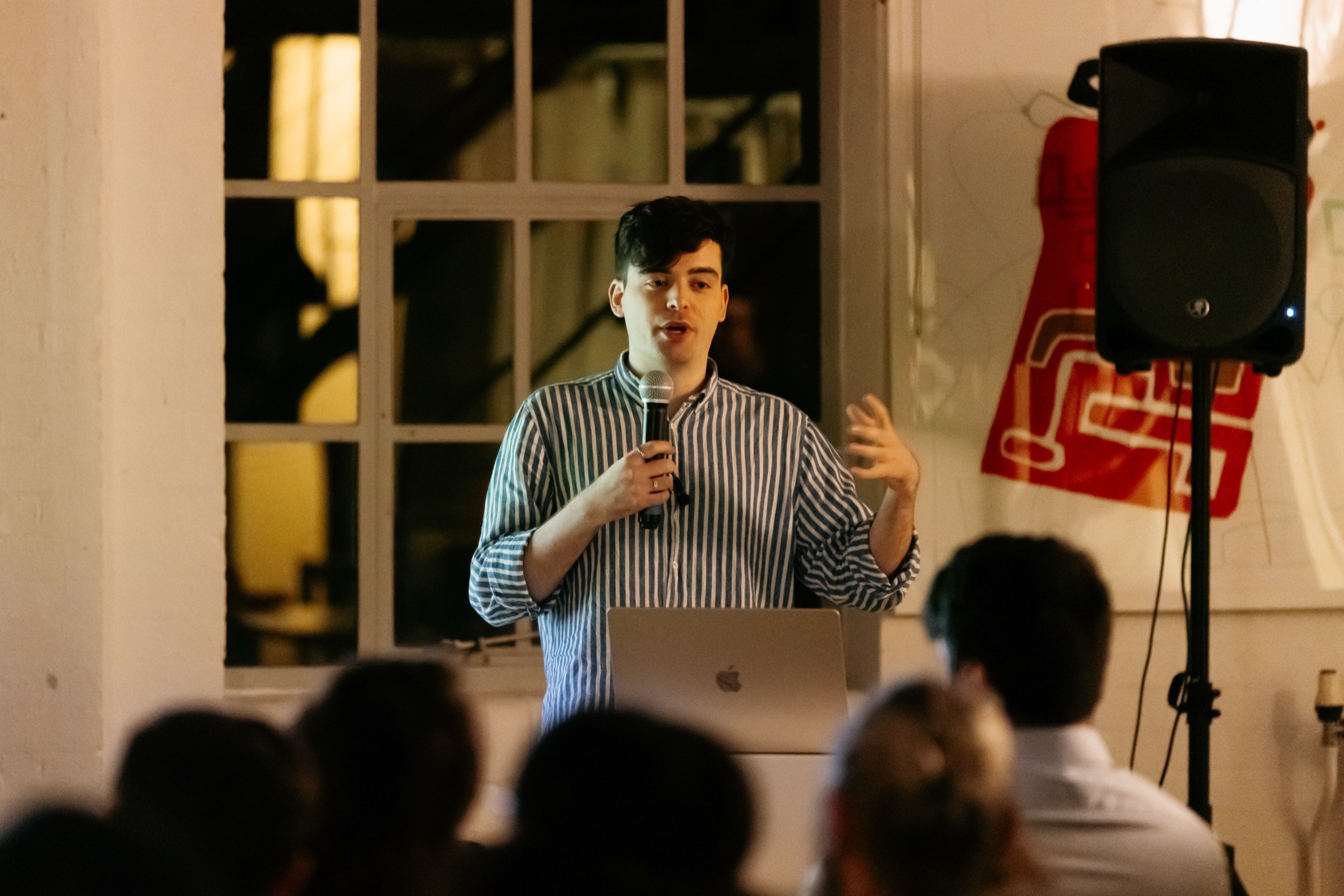
Tim MalbonFounder & CEO
We set Made by Many up in 2007 to prove a simple idea: making beats talking endlessly about strategy.



130
global organisations
110+
products taken to market
15
industries
“They’re challenging, but you’ll end up with something stand-out brilliant”
What a client was warned before hiring us.We wrote it down in 2015 because we were pleased with it.
Tim MalbonFounder & CEO
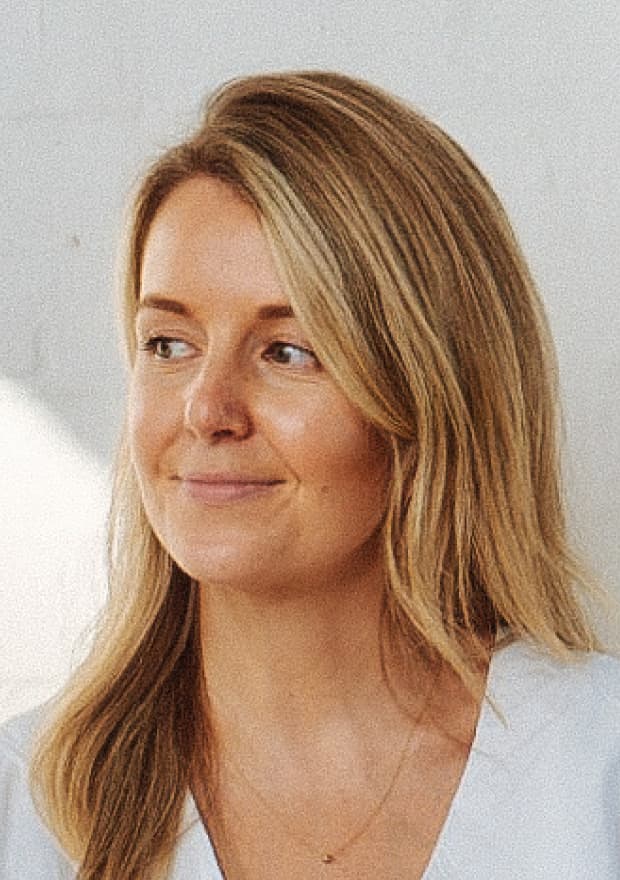
Rebecca FoyHead of Strategy
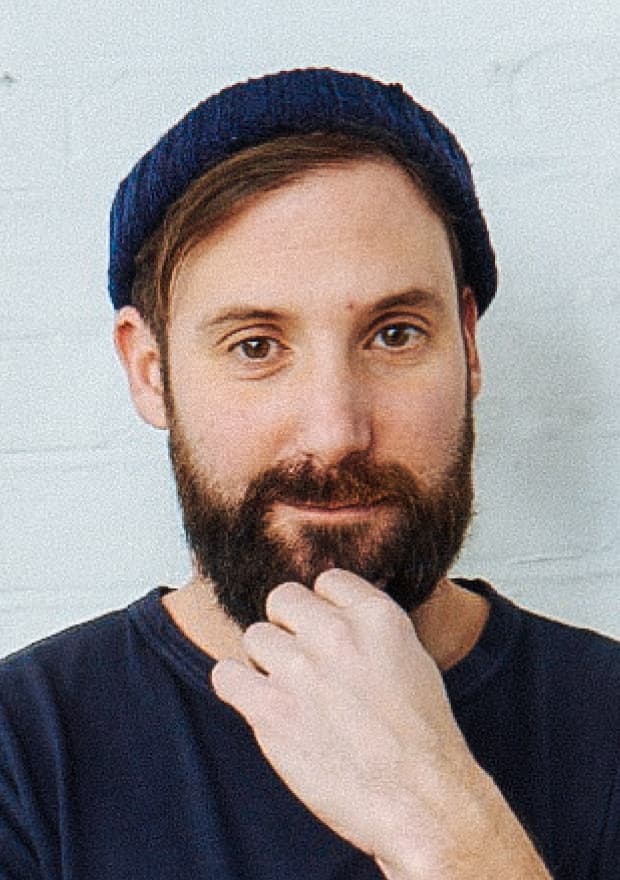
Tom HardingManaging Director

Tom ClaytonHead of Product

Alex HardingHead of Design
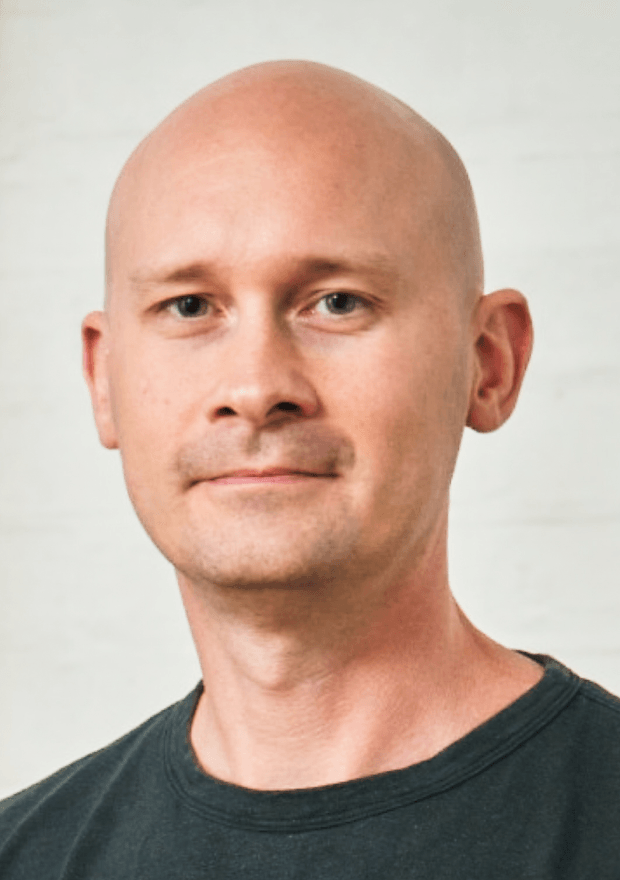
James BracherDesign Principal
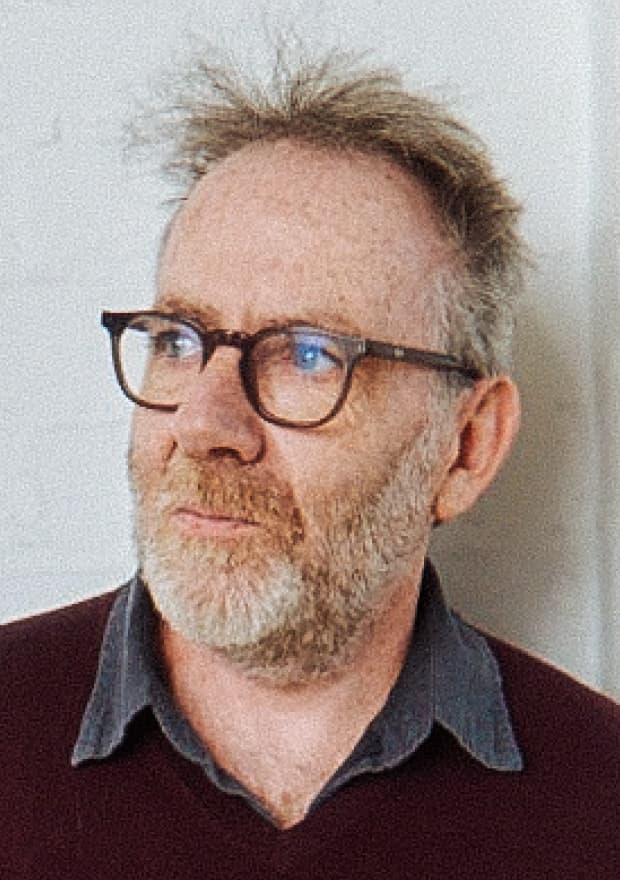
Oli MatthewsHead of Technology

Johanna MosslingGrowth Director
Making things after you’ve decided what to do is the wrong way round. Putting a working version in front of people helps you decide.
Decks and flat design show what you hope will happen. Prototypes on real data show what does. Making them is the research.
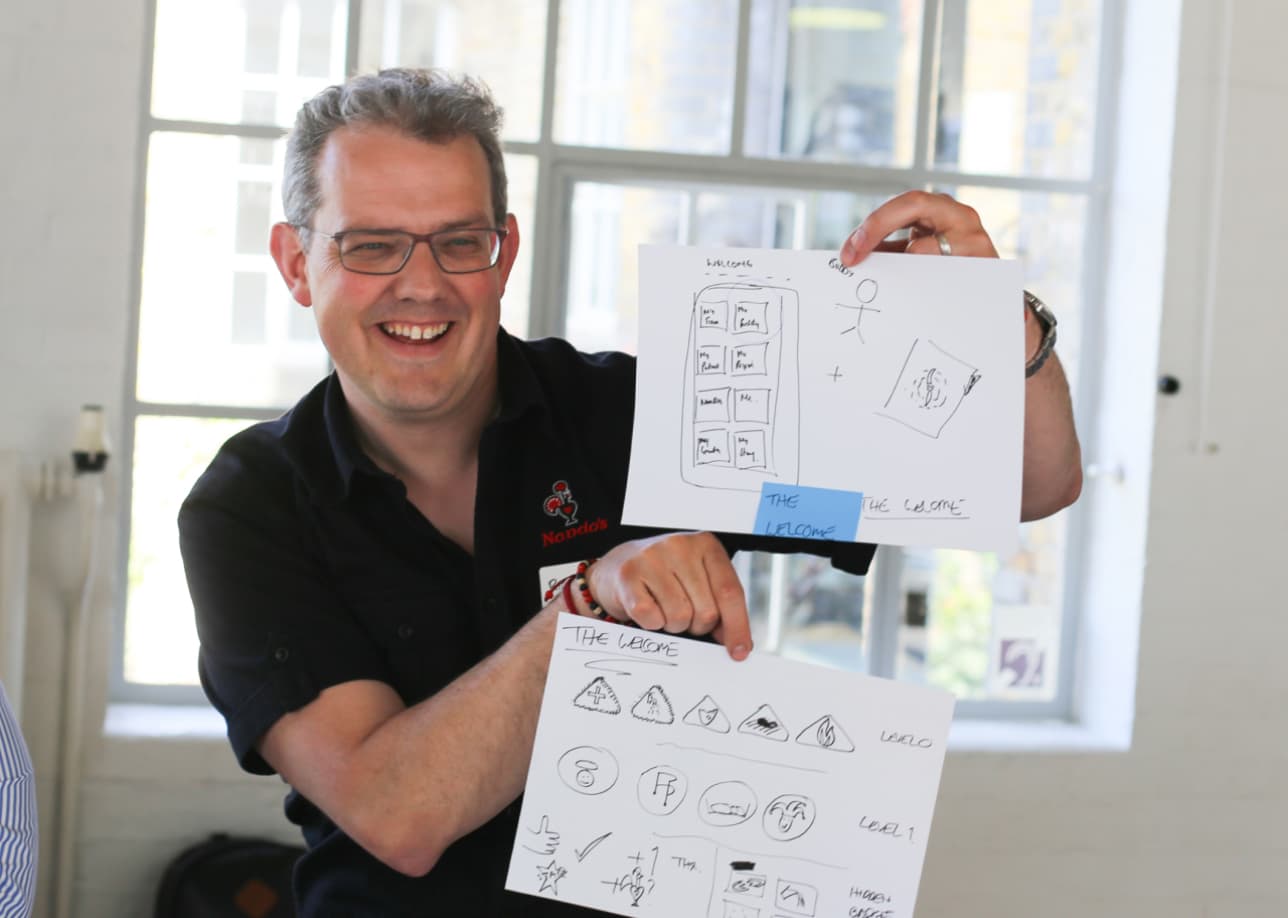
You can’t just tell someone to change. The change becomes theirs when they learn through doing it. Co-creation drives change.
Designers ship code. Strategists and researchers prototype. Engineers keep it safe. AI removes handovers, so small teams go all the way to live.
Building used to take most of the time and money. Now it takes a fraction. Don’t bank the saving as speed. Spend it on trying more versions.
Making is cheap. Mistakes are still expensive. Judgement is knowing the difference.
“The agent did it” is never an answer. Agents do a lot more of the work between brief and sign-off, but nothing ever ships without human approval.
Prototypes were sketches that got rebuilt. Now, they’re made on the real stack, with real data, through the same gates as everything else. Increasingly, the prototype is what ships.
Faster and cheaper feels like progress. The bigger prize is reinvention.
It’s what we think today, but we’ll keep building this manifesto as we learn more.
How we work hasn’t changed: small, multidisciplinary teams, embedded in our clients’ businesses. We could spend the time the new tools give back on longer lunches. Instead, it goes into more exploration, earlier testing, and better answers for our clients.